Every August, it's the same story. Principals walk in fired up, ready to be the instructional leaders they've always wanted to be. Then the year happens: bus schedules, discipline referrals, budget spreadsheets. By the time the first quarter passes, the classrooms they meant to get into are still on the to-do list. That's not a willpower problem. It's a systems problem.
If that's where you are right now, here's the thing worth hearing: you haven't missed your shot. You may have learned, the hard way, what doesn't work. And there's still enough of the year left to build something that does.
Most principals already believe in instructional leadership. They've read the research. They know that showing up in classrooms and using data to coach are what move student outcomes. The belief was never the problem.
The problem is that without a system, instructional leadership only happens on the slow weeks. 10 or more weeks into the year, you already know the truth: there are no slow weeks in a school building. If you've been waiting for one to show up before you get serious about this, now is your sign that it isn't coming.
Here's the shift that actually matters: instructional leadership doesn't have to eat up your time to be meaningful. It just has to be built into the system. That's just as true later in the school year as it would have been in August. It's simply harder to admit once the year's already moving.
The principals who eventually get this right almost never get it right on the first try. Most of them start exactly where you might be right now: partway through a year, watching the gap between the leader they wanted to be and the one their calendar allows keep growing.
The difference is what they do next. They don't wait for a clean slate in August. They build the structure into whatever's left of the year in front of them, starting now:
This is exactly where a mid-year reset gets easier, not harder. AI isn't there to replace you as the instructional leader. It's there to make it possible to actually do that job at scale, even starting from behind.
Scheduling observations stops eating your whole afternoon. Building a rotation so every teacher gets seen, with no repeats and no one falling through the cracks, used to mean hours with a spreadsheet. Sibme's observation tool does that work for you. What used to be a headache is now a simple task. That matters even more now: you're not rebuilding a system from scratch. You're letting the tool absorb the part that used to eat your time.
But getting into the room is only half the job. Walking through means nothing if nothing happens after, and if you're behind, "nothing happens after" is probably the exact habit you're trying to break.
One of the most common breakdowns isn't the observation itself. It's what happens after. A teacher is recorded in the classroom, and then... nothing. No comment, no conversation, no tie-back to instructional goals. Sibme's AI helps here by acting like a thought partner, pulling out what happened and helping the administrator turn it into feedback that's specific and useful. An admin can leave a real, goal-aligned comment on a teacher's video within a day, creating an asynchronous opportunity to connect with a teacher, without adding one more meeting to a calendar that's already full.
None of this matters if you still think of yourself as a manager who occasionally pops into classrooms to observe instructional practices. That shift doesn't require a fresh start to the year. It just requires an honest decision today.
You're an instructional leader who also manages operations, not the other way around. That's the identity that decides how you protect your calendar, how you talk about your role with your team, and how you actually show up in classrooms. Teachers notice. They adjust what they expect from you. And over time, you being in the room demonstrates where value is placed: squarely on instruction.
That's the culture you're building. It doesn't have a start date. It has a start day, and it can be today, just as easily as it could have been in August.
Sibme can help with all three, not by doing the instructional leadership for you, but by taking away the excuses not to do it yourself.
The principals who show up as instructional leaders don't all start in August. Some of them start today because that's when they decided the system mattered has value.
You still have time.
Interested in how Sibme supports instructional leaders at every level? Visit sibme.com to learn more.
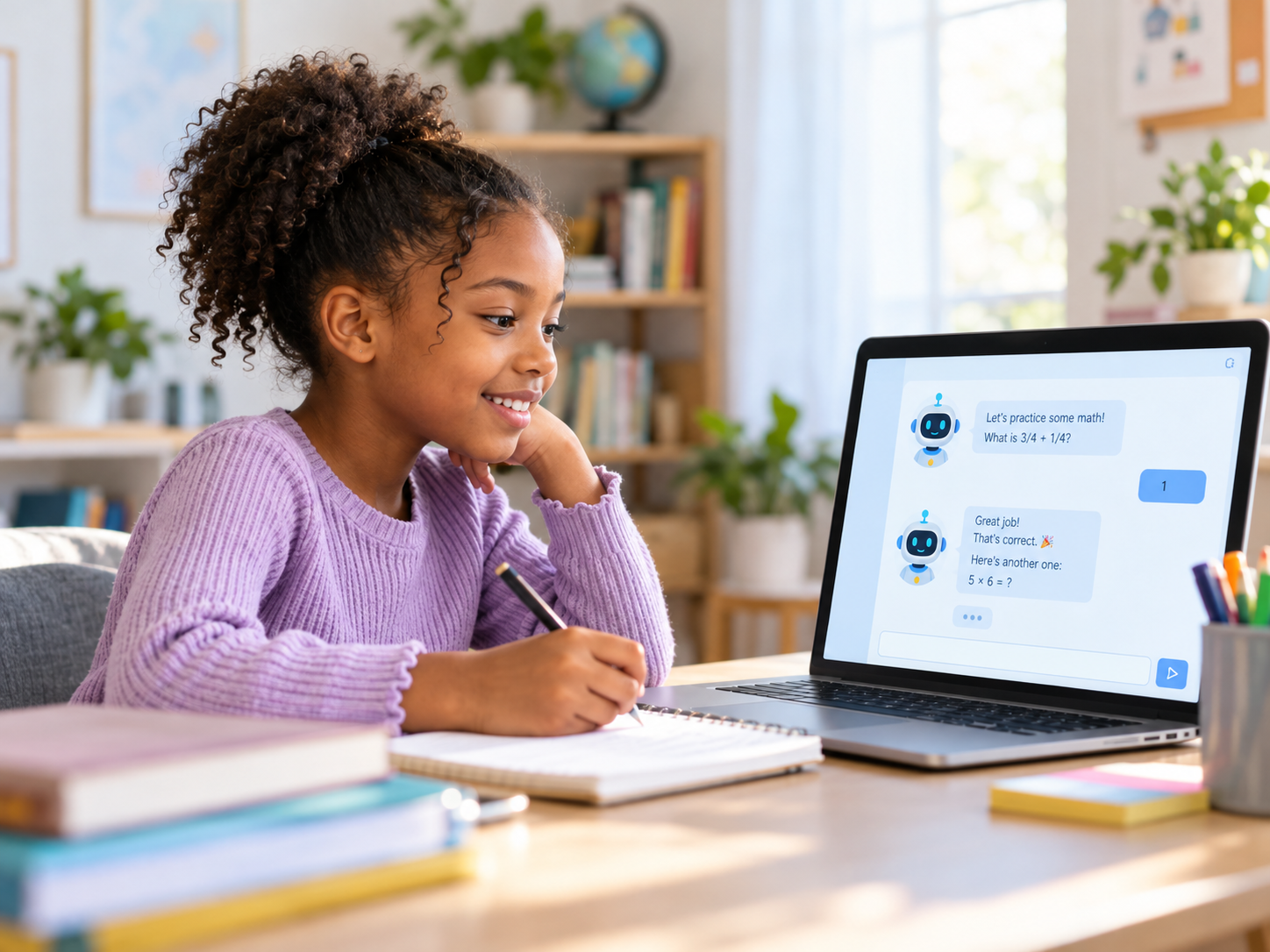
New research suggests the best AI tutors don't do the work for students. They create more chances for students to do it themselves, and catch the mistakes along the way.

The most valuable thing about an AI walkthrough isn't that it's smart. It's that it walked into the classroom with no history, no grudge, and no favorites. Here's how to make that work for you — without ever letting it off the hook.
.jpg)
While AI adoption is widespread in education, relying on AI detectors is failing and fueling an atmosphere of distrust. The deeper threat is "cognitive surrender"—where students lean on chatbots at the first sign of struggle—combined with a massive support gap for teachers who lack adequate guidance. Rather than policing students, the path forward involves focusing on active, observable learning processes, encouraging human connection, and giving educators collaborative tools like Sibme to reflect on and improve their teaching practice.
The instructional evidence platform for K–12 districts.