I'll be honest with you. When our COO first suggested I write something about AI for teachers, my first reaction was a hard no.
Not because I don't think it matters. It does. But because I have spent my entire career — as a middle school English teacher, as an instructional coach, and now working with educators all over the country through Sibme — watching really good teachers get pulled away from what they do best by one shiny thing after another. New programs. New platforms. New frameworks. And somewhere in the middle of all of it, the teacher gets a little lost.
I didn't want to add to that pile.
But then something shifted for me. I started watching teachers use AI not to replace their thinking, but to extend it. To get back hours they'd lost to grunt work. To walk into Monday morning better prepared, more energized, and more focused on their kids. And I thought — okay, this is worth talking about.
So here we are.
Teaching in the Age of AI is for teachers — people who are already doing about seventeen jobs at once and don't need anyone adding to the list.
This is not going to be a series about technology for technology's sake. I am not going to tell you that AI is going to revolutionize education or that everything is about to change forever. I'm also not going to pretend it doesn't exist or tell you to be afraid of it.
What I am going to do is share practical, honest, classroom-tested ideas for how AI tools can support what you're already doing — and how to stay firmly in the driver's seat while you use them.
Because here is the thing I want you to hold onto, and I mean this with everything I've got:
AI cannot teach your students. Only you can do that.
It cannot see that your quietest student finally raised her hand today. It cannot feel the energy shift in the room right before things go sideways. It cannot love a kid who is having a really terrible week. It cannot be the adult that a child will remember twenty years from now.
You can. You do. Every single day.
AI is a tool. And like any tool, it's only as good as the professional using it — and only useful when that professional is calling the shots.
I work with a lot of teachers. New ones figuring out their footing, veteran ones who've seen every trend come and go, and everyone in between. And when I started paying attention to how the most thoughtful among them were using AI, I noticed something: they weren't letting it run the show. They were using it to do the things that were draining them — so they could save more of themselves for the things that only they could do.
Here's what that looks like in practice.
Picture this: It's Sunday evening. You've got a lesson on Monday and you know — because you know your kids — that the text you have is going to be too much for some of them and not nearly enough for others. Differentiating used to mean hours of hunting for materials, adapting things by hand, hoping you got it right. Now, a teacher can describe what she needs to an AI tool, paste in the original text, and get leveled versions back in minutes. She still reads them. She still adjusts them. She still brings her professional judgment to every word. But she gets her Sunday evening back.
That's not AI teaching. That's a teacher using AI to teach better.
Here's another one: You've just collected a set of student writing samples. Normally you'd sit down and write the same comment over and over — needs more detail, needs more detail, needs more detail. But what if you could use an AI tool to help you spot the pattern across the whole group — so instead of writing that note two dozen times, you plan one tight lesson that addresses it for everyone at once?
You still read every piece. You still know your students. You still make the call about what to teach next.
You just do it with better information and a little more time.
I want to close this first post the same way I plan to close every conversation I have about AI and teaching:
The most important thing is that you remain in control. Not the app. Not the platform. Not the algorithm.
You are a professional. You have expertise that took years to build. You understand child development, you understand your community, and you understand the specific humans who walk into your room every day. No AI has any of that. It has data. You have wisdom.
AI should be working for you — saving you time, giving you ideas, helping you see things you might have missed at 9pm on a Tuesday. The moment it starts making the decisions, something important has been lost.
In this series, we're going to keep coming back to that. Every tool we look at, every idea we explore, we'll ask the same question: does this put more of the right things in the teacher's hands? If the answer is yes, we'll talk about how to use it well. If the answer is no, we'll say so.
Because at the end of the day, teaching is still the most human work there is. And you are exactly who your students need.
Teaching in the Age of AI is a blog series by Kelley Garris — career educator, former middle school English teacher, and lead instructional coach at Sibme. Posts go out regularly with practical strategies and honest conversation about what AI can — and can't — do for teachers and kids. Share this with a colleague, and come back next week for our first deep-dive.
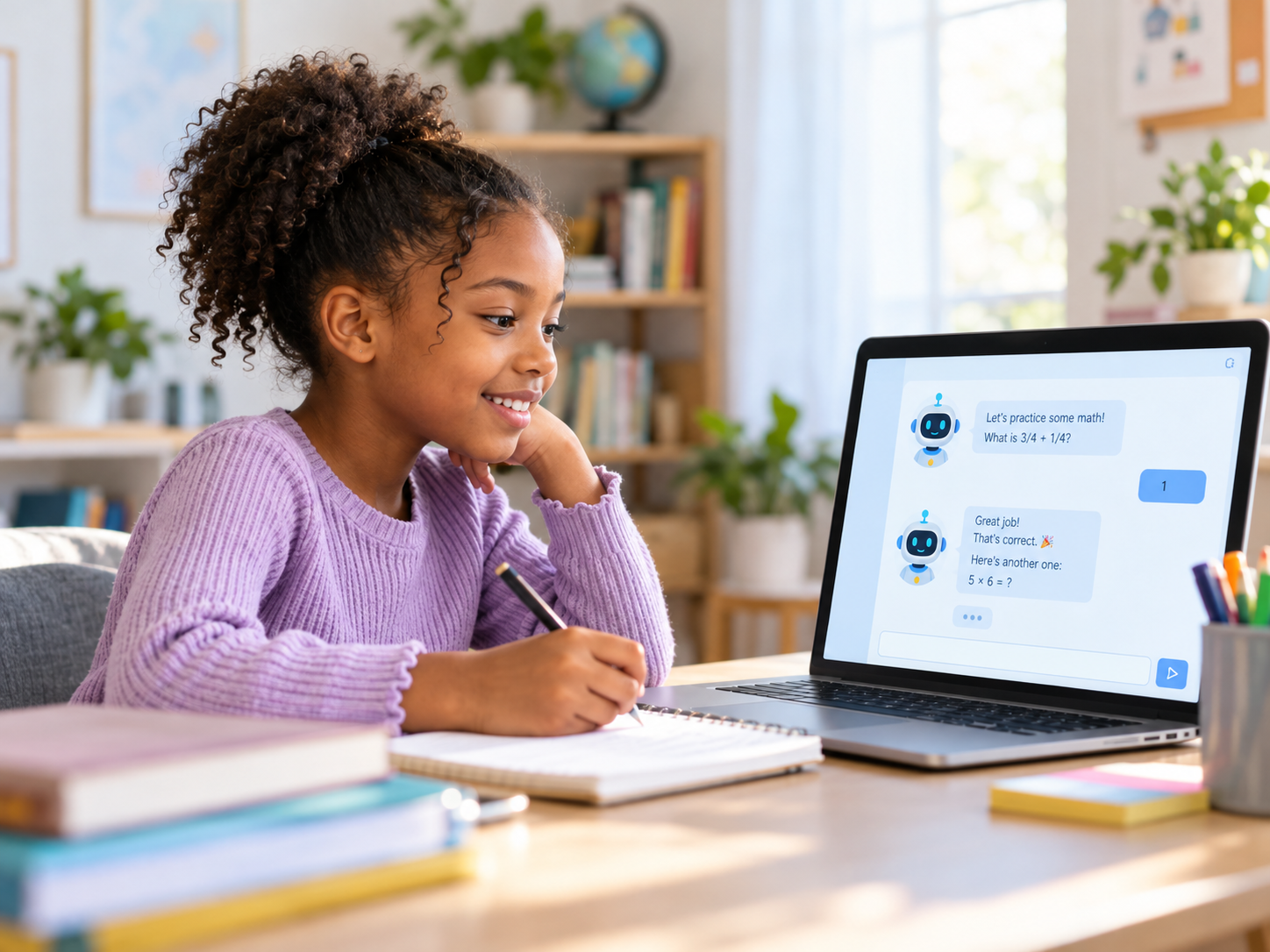
New research suggests the best AI tutors don't do the work for students. They create more chances for students to do it themselves, and catch the mistakes along the way.
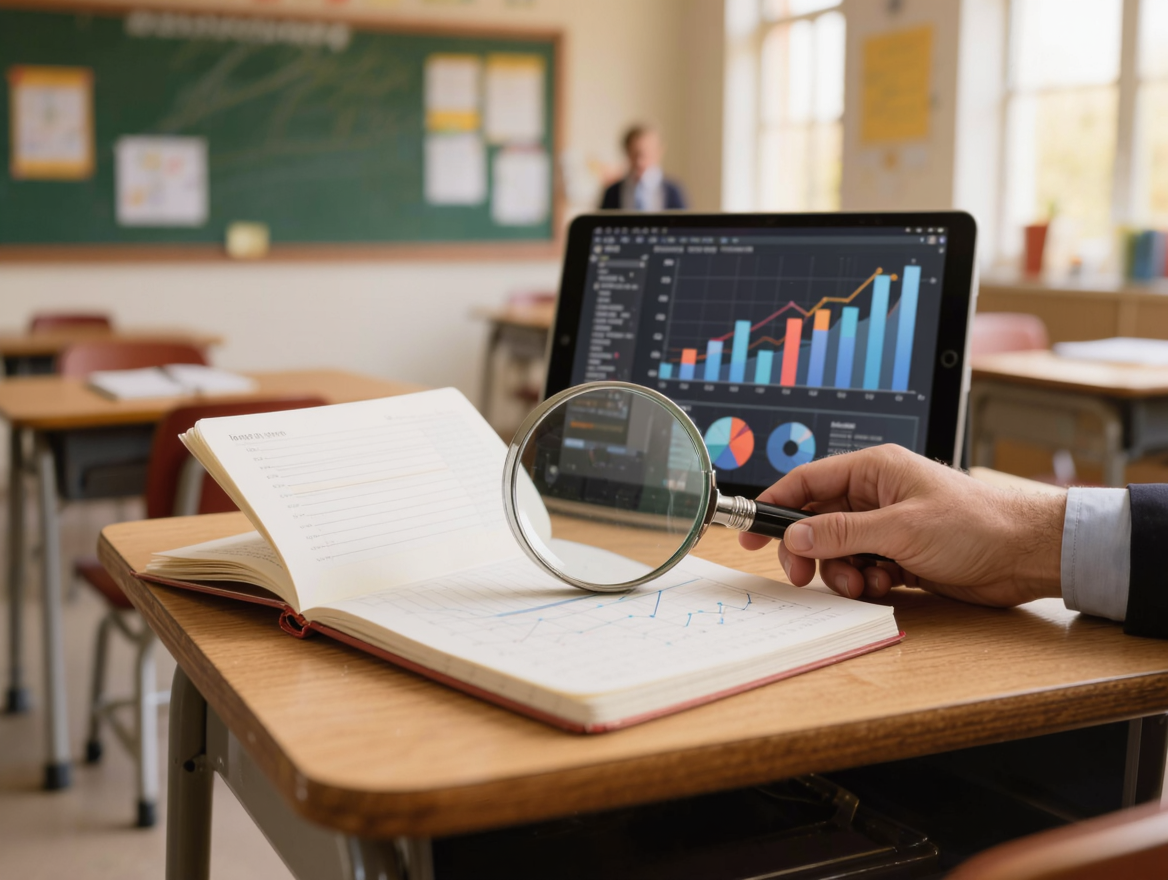
The most valuable thing about an AI walkthrough isn't that it's smart. It's that it walked into the classroom with no history, no grudge, and no favorites. Here's how to make that work for you — without ever letting it off the hook.
.jpg)
While AI adoption is widespread in education, relying on AI detectors is failing and fueling an atmosphere of distrust. The deeper threat is "cognitive surrender"—where students lean on chatbots at the first sign of struggle—combined with a massive support gap for teachers who lack adequate guidance. Rather than policing students, the path forward involves focusing on active, observable learning processes, encouraging human connection, and giving educators collaborative tools like Sibme to reflect on and improve their teaching practice.
The instructional evidence platform for K–12 districts.