Every article, searchable and filtered by topic.
.jpg)
While AI adoption is widespread in education, relying on AI detectors is failing and fueling an atmosphere of distrust. The deeper threat is "cognitive surrender"—where students lean on chatbots at the first sign of struggle—combined with a massive support gap for teachers who lack adequate guidance. Rather than policing students, the path forward involves focusing on active, observable learning processes, encouraging human connection, and giving educators collaborative tools like Sibme to reflect on and improve their teaching practice.

A university researcher's new argument about what gets lost when AI takes over parts of teaching turns out to be a preview of a debate we're already having about teacher coaching.

Schools can't just teach kids to understand AI — they have to teach kids to recognize their own agency in the relationship with it, because literacy alone won't settle the question this week's AI-safety debate couldn't.
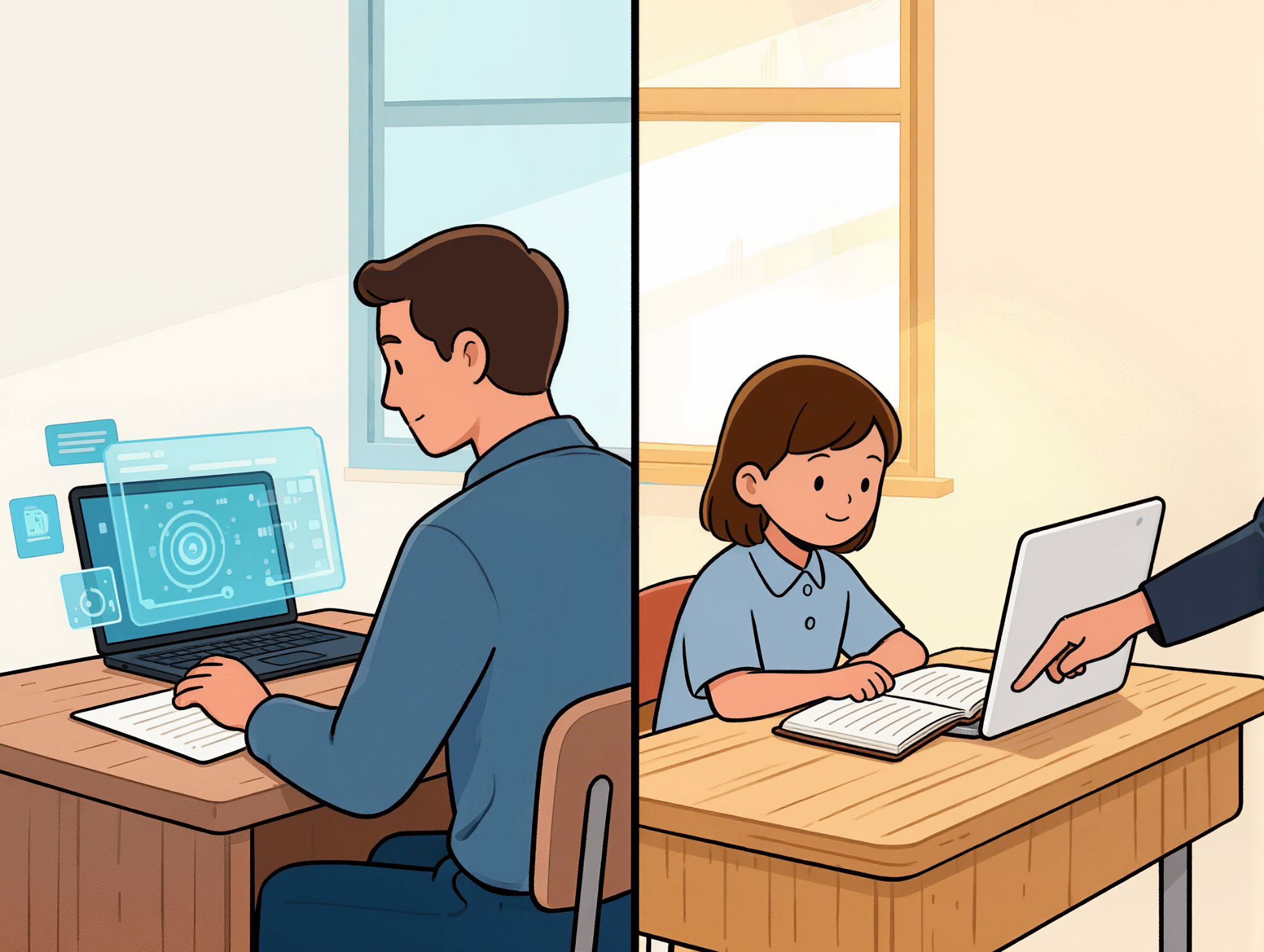
NYC's new AI ban gets the student-facing/teacher-facing distinction right in principle, but its blanket approach — and the risk of leaving kids with zero AI literacy for a full year — shows why school AI policy needs more nuance than an on/off switch.
Part 3 of The Evidence-First Observation, a three-part series on new ways to observe teachers in the age of AI.
Part 2 of The Evidence-First Observation, a three-part series on new ways to observe teachers in the age of AI.
Part 1 of The Evidence-First Observation, a three-part series on new ways to observe teachers in the age of AI.
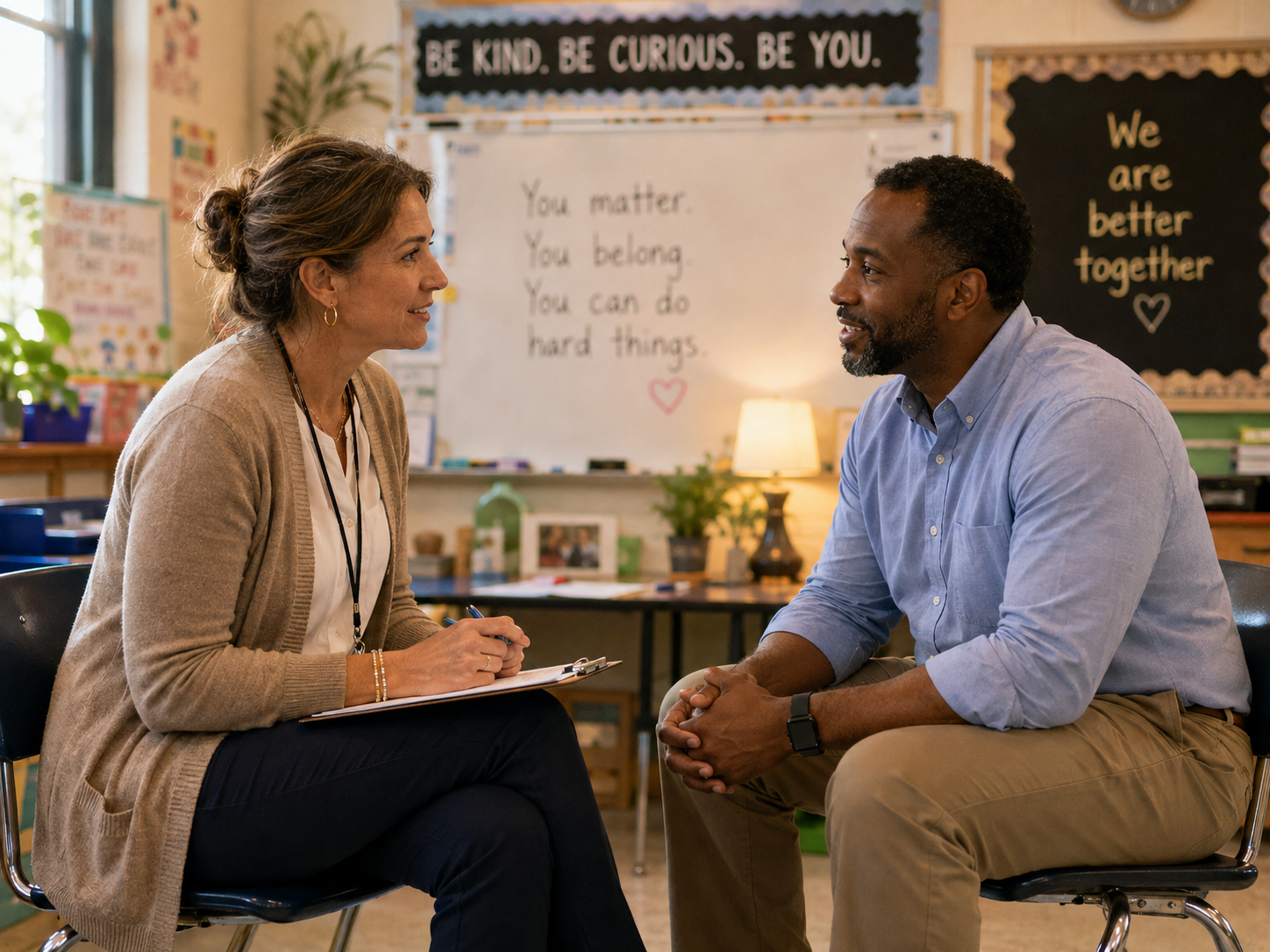
True psychological safety for teachers—and the resulting improvements in retention and student outcomes—depends less on observation protocols and more on building a school culture where educators feel safe and valued as people.1
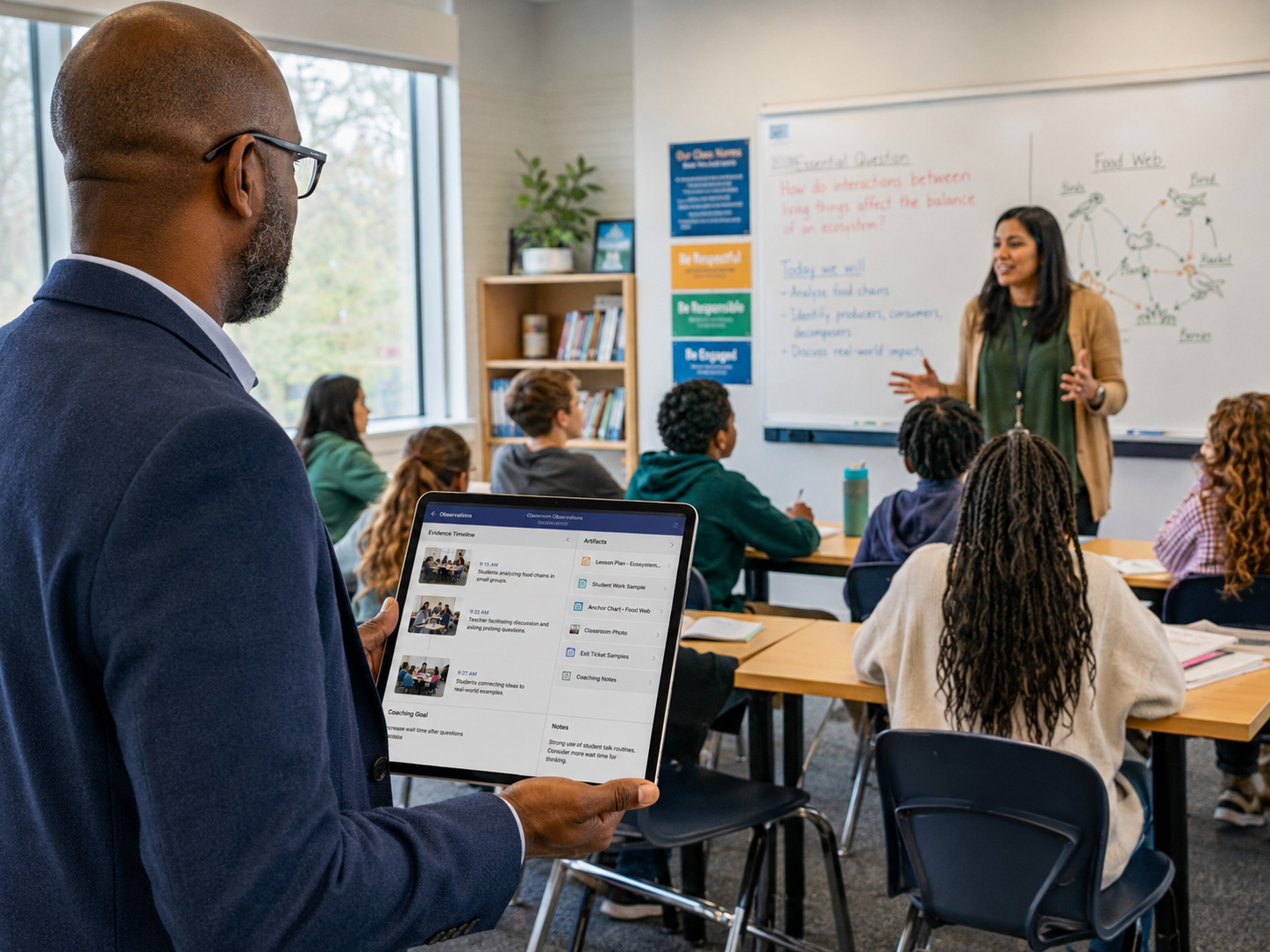
The technology is moving fast. The question of what it's actually for is moving slower.
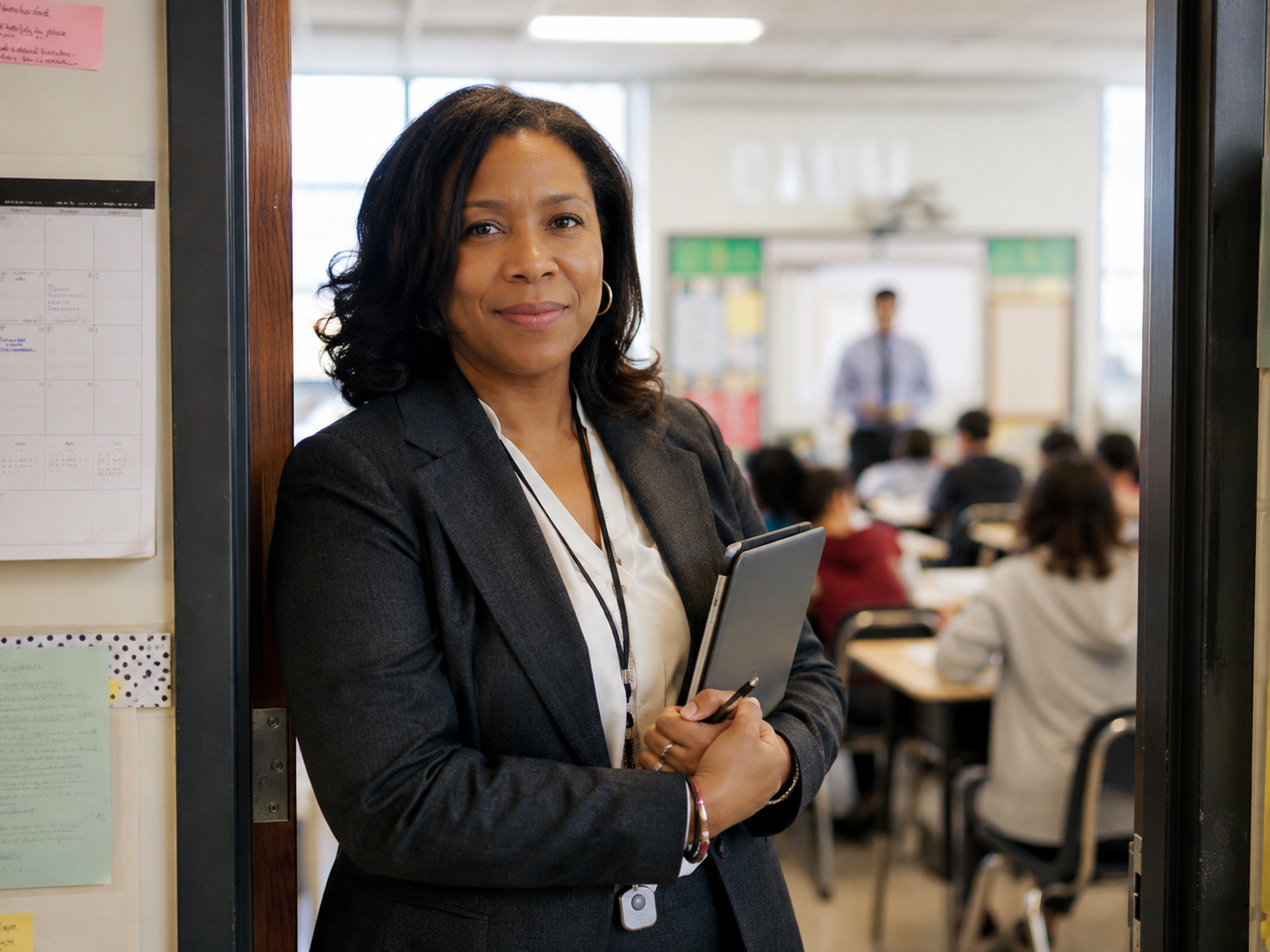
Instructional leadership doesn't require a fresh start in August—it requires a system that helps principals consistently get into classrooms, provide meaningful feedback, and keep instruction at the center of their leadership.

New labor data draws a sharp line between AI that replaces a task and AI that assists with one. That line should be showing up in our lesson plans.
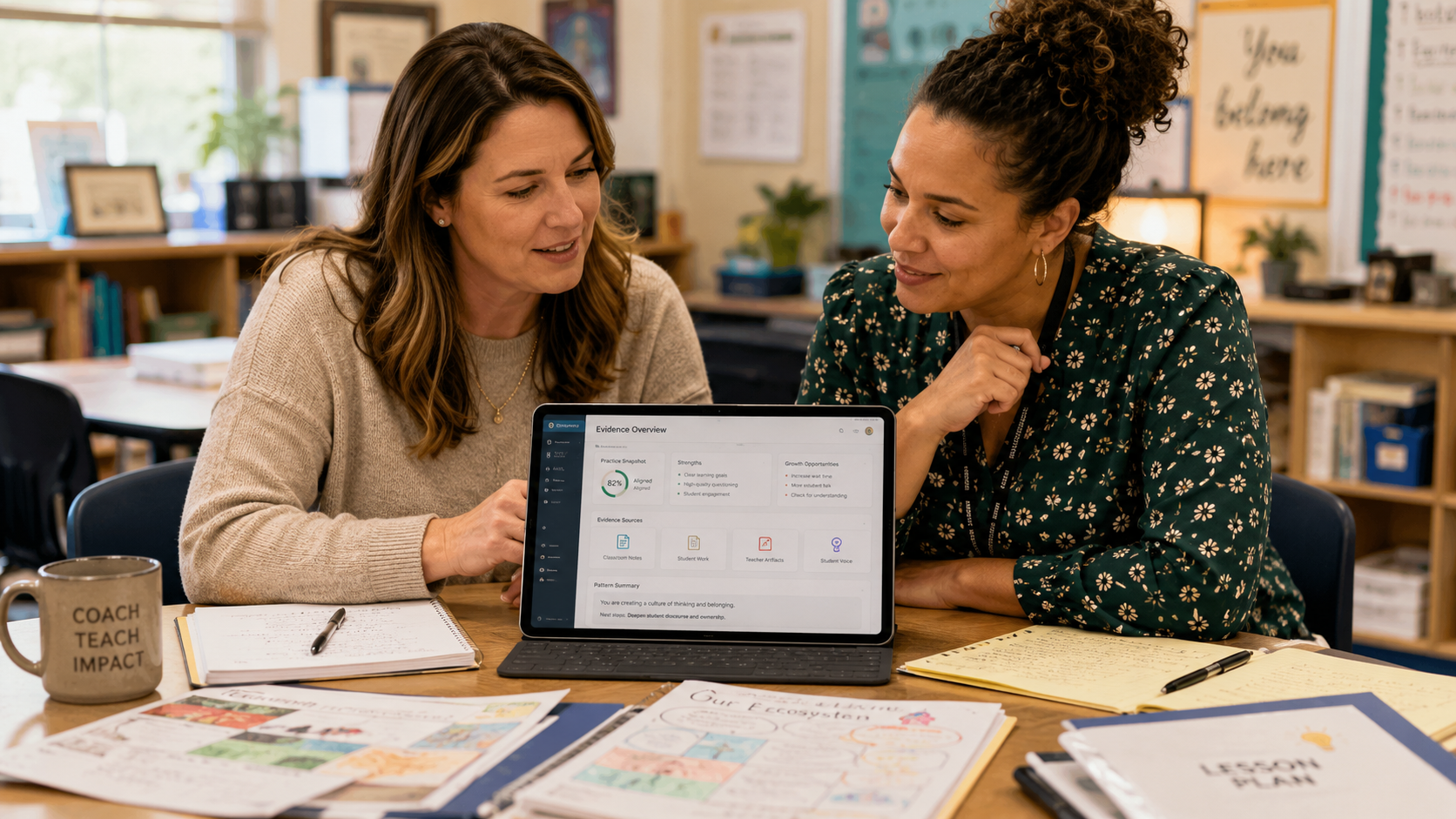
The most effective coaching isn't built around isolated observations—it's built around continuous evidence collected over time, and AI can free coaches from documentation work so they can focus on the relationships and conversations where real teacher growth happens.

The district would never allow it for curriculum. So why are we allowing it for AI?

.png)
A landmark Stanford review found that most AI classroom claims aren't backed by rigorous evidence. Here's how to use that finding to make smarter decisions about the tools on your desk right now.
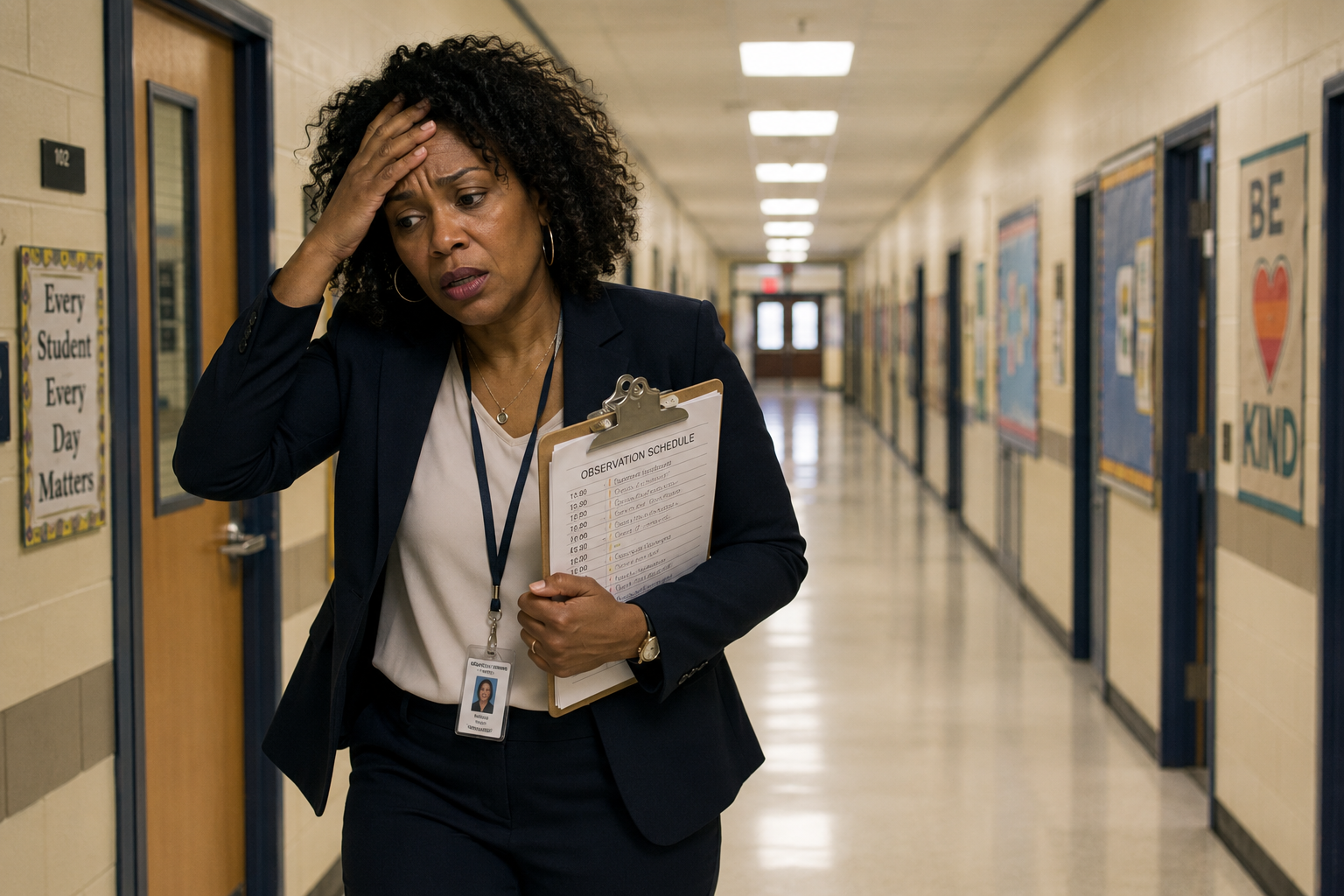
Most principals know observation paperwork takes too long. Few have actually counted the hours. We did.
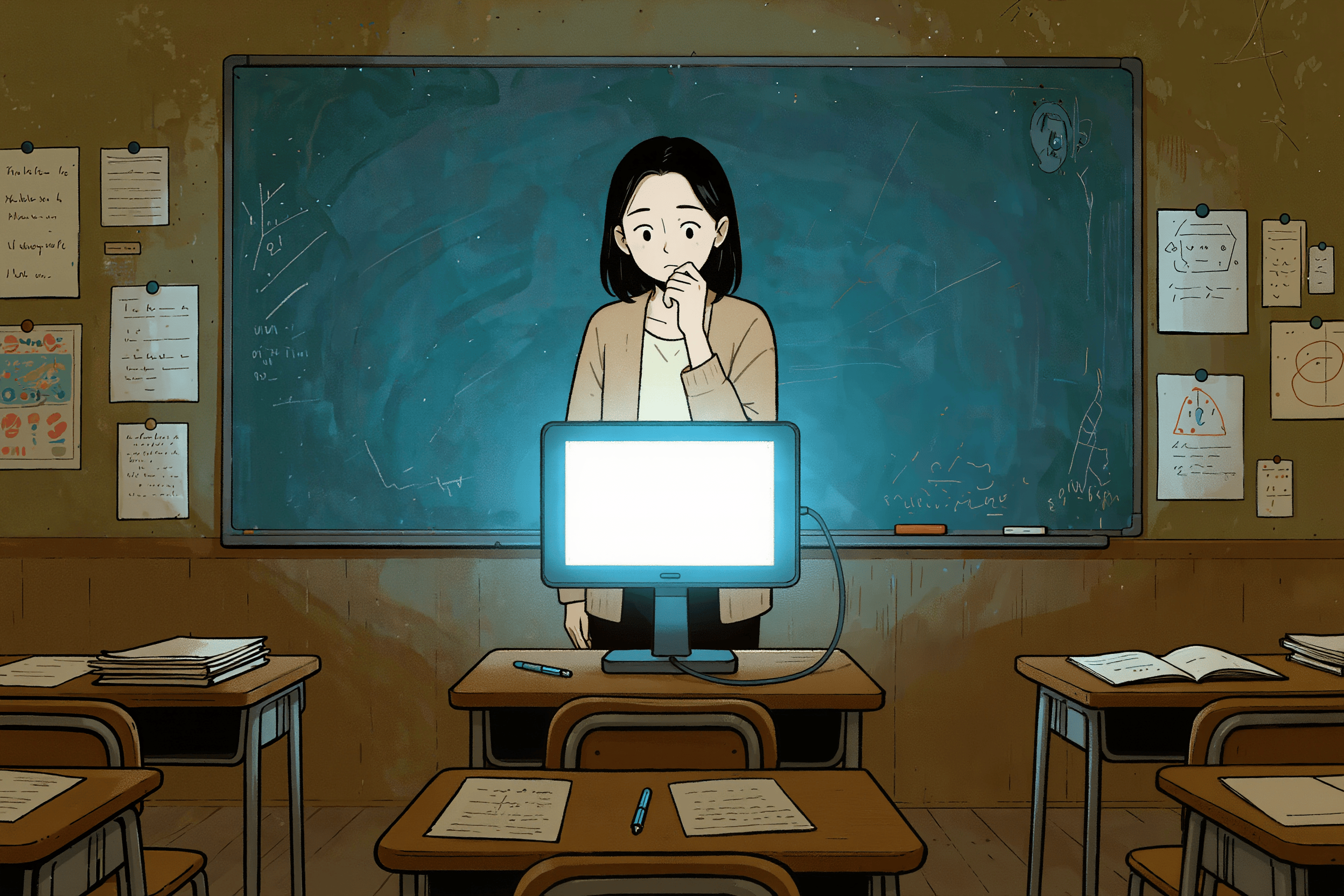
The way educators are using AI in the classroom might be exactly why they don't trust it.
.png)
A run of 2026 research confirms that AI-writing detectors are unreliable and biased. The surprising upside: it puts the most important tool in the classroom — your professional judgment — back where it belongs.
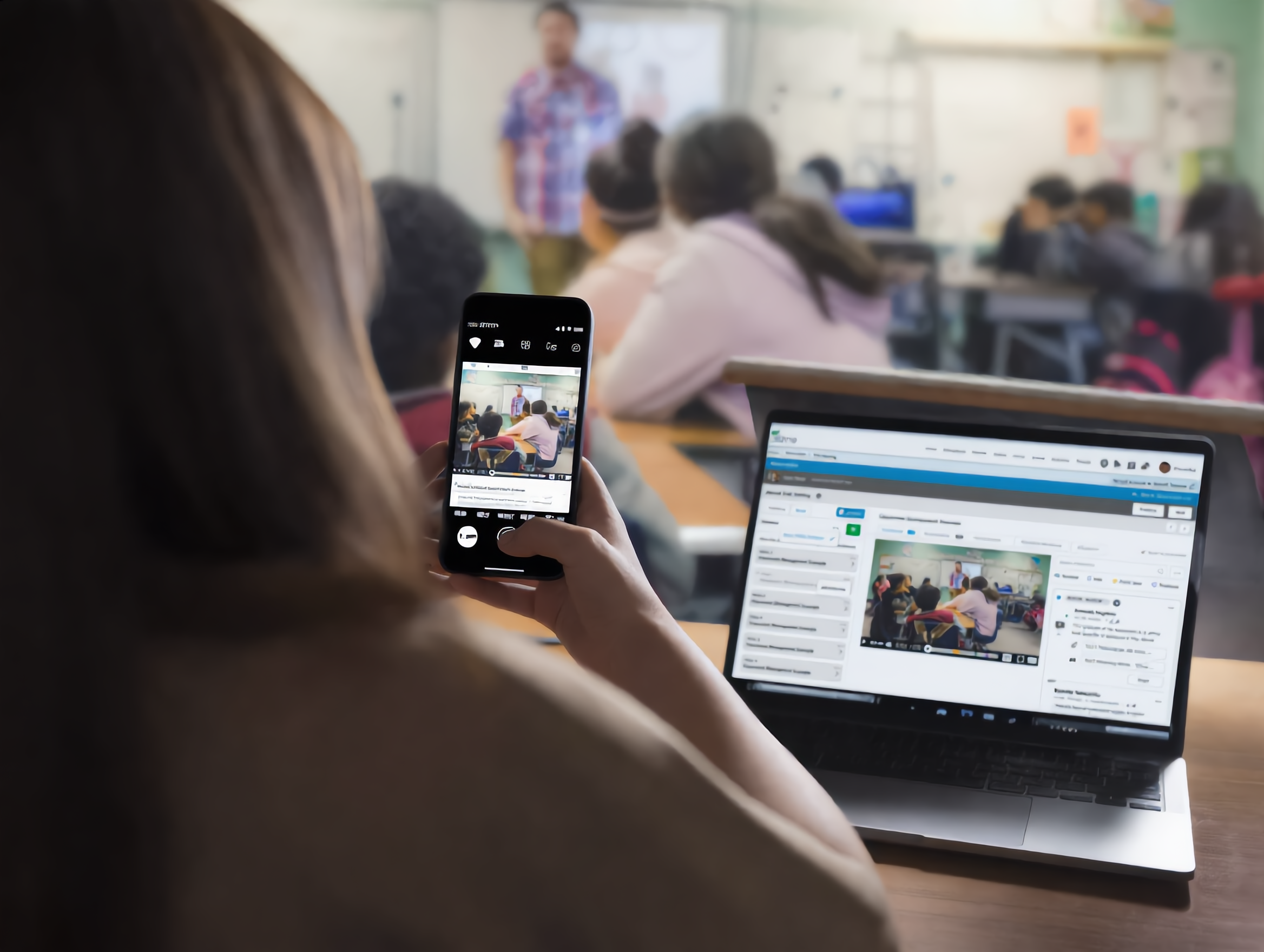
For decades, K-12 teacher evaluation has been built around a single event. That event is the wrong unit of measurement — and most educators already know it.
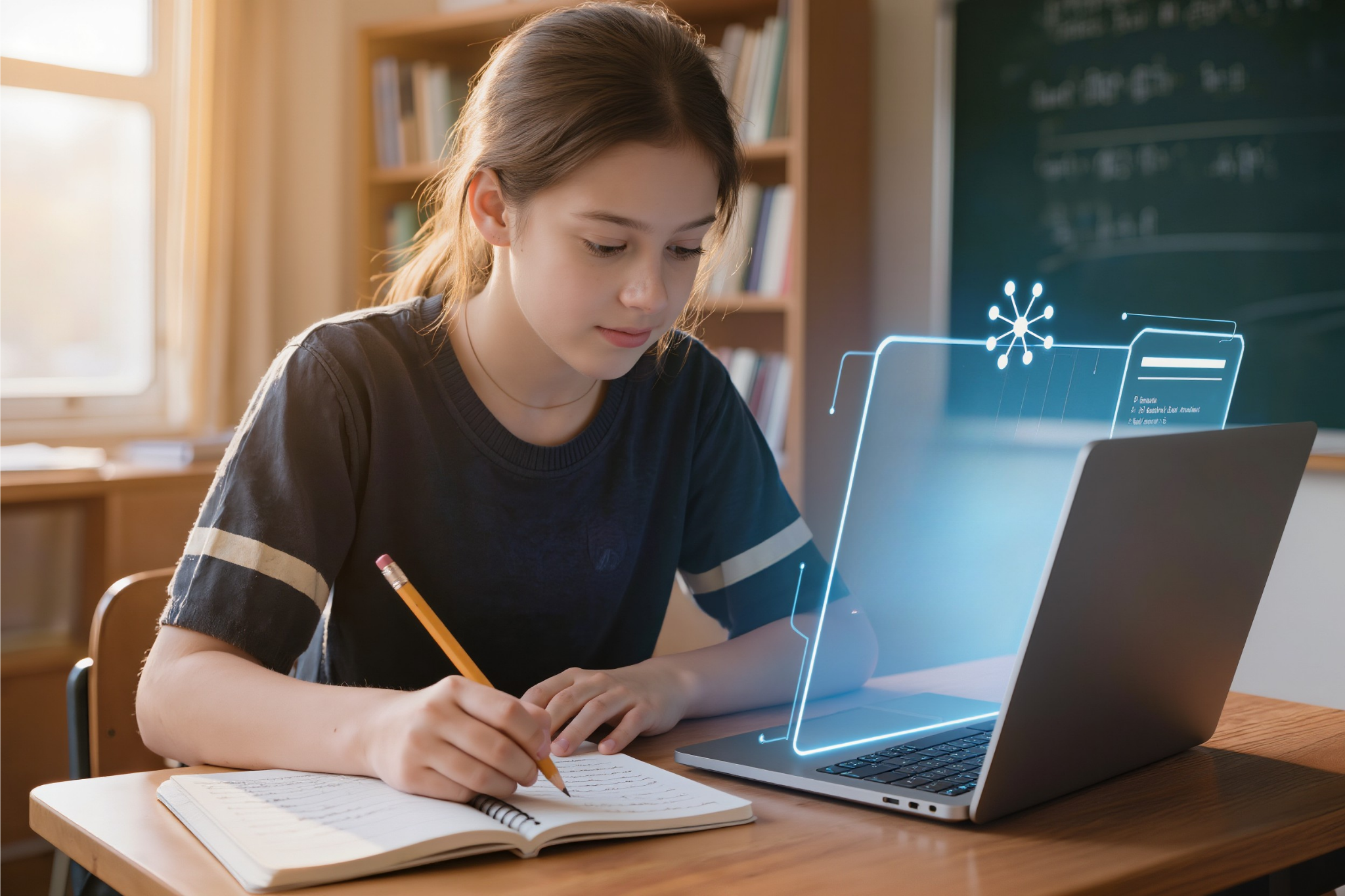
AI can boost test scores without building understanding. Two new 2026 research reports reveal the gap between performance and genuine learning — and show why pedagogy, not the tool, is the deciding factor.
.jpg)
Kelley Garris introduces her Teaching in the Age of AI blog series with the conviction that AI should serve as a time-saving tool that frees teachers to focus on the irreplaceable human work of teaching—never as a replacement for the professional judgment, care, and connection that only a teacher can provide.
.jpg)
Jeff Bezos's secret for success: Stop rushing change! Complex school changes need realistic timelines and a coach, not just high standards
.jpg)
What AI actually requires from you. It's not about better prompts—it's about knowing what you're looking FOR, not just AT.
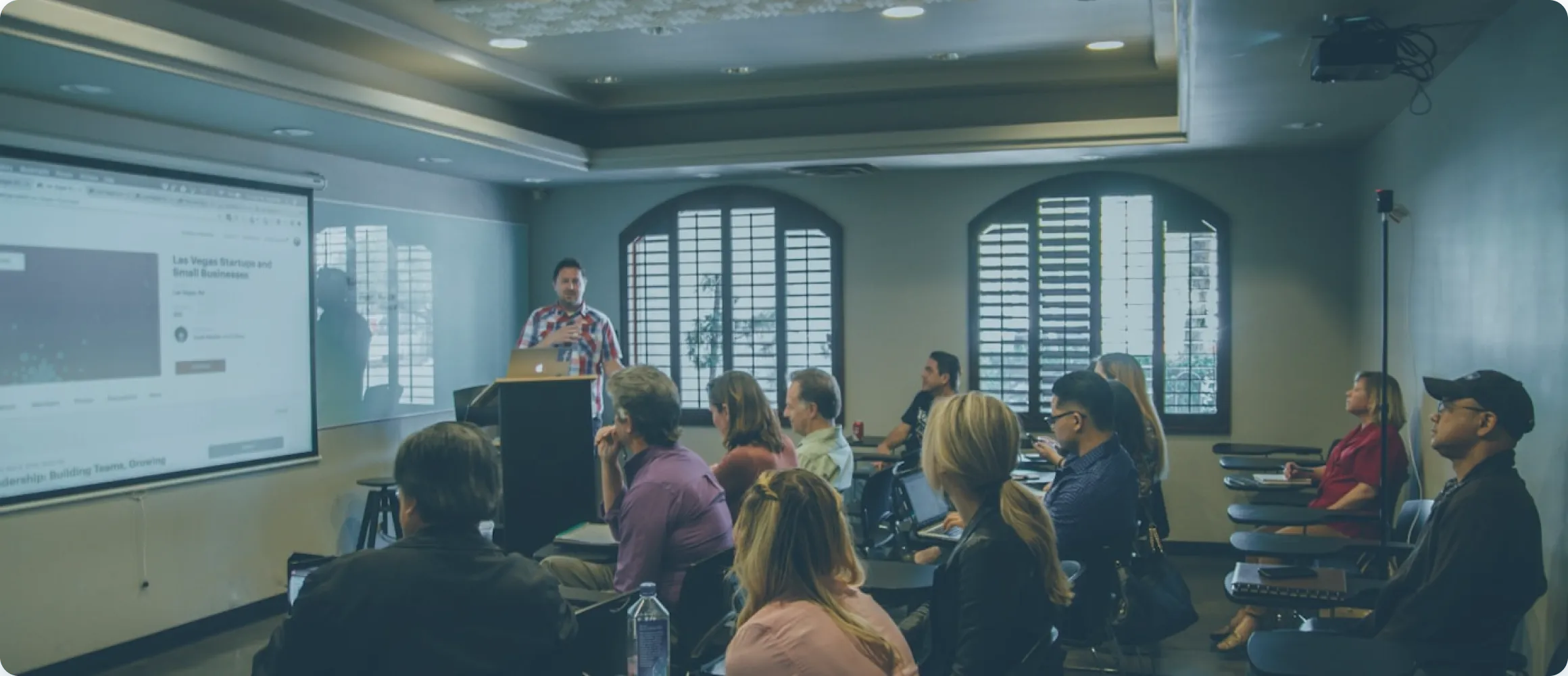
Everyone is talking about AI. Fewer people are talking about what AI actually requires from the professional using it.
.jpg)
Great coaching isn't about delivering the right recommendation. It's about being present enough to ask the right question. This is about what becomes possible when AI handles the history — and coaches can finally just focus on the person in front of them.
The instructional evidence platform for K–12 districts.